 “BeeRad”
07754f5030
“BeeRad”
07754f5030
- remove legacy contexts surfaces from the app, MCP bridge, standalone server, and docs
- keep getContext and retrieveQueryContext while aligning the simplified graph-only contract
- harden dev startup migration behavior and disable the accidental chat surface in open source

Generated with Codex
245 lines
8.9 KiB
Markdown
245 lines
8.9 KiB
Markdown
# RA-H OS
|
|
|
|
```
|
|
██████╗ █████╗ ██╗ ██╗
|
|
██╔══██╗██╔══██╗ ██║ ██║
|
|
██████╔╝███████║█████╗███████║
|
|
██╔══██╗██╔══██║╚════╝██╔══██║
|
|
██║ ██║██║ ██║ ██║ ██║
|
|
╚═╝ ╚═╝╚═╝ ╚═╝ ╚═╝ ╚═╝
|
|
```
|
|
|
|
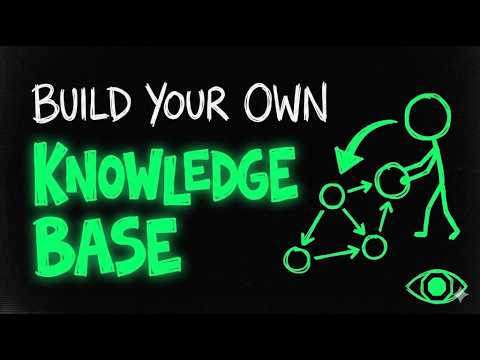
**TL;DR:** Clone this repository and you get a local SQLite knowledge graph plus a UI and standalone MCP server. External agents can read and write the graph, while the app owns chunking and embedding from node source.
|
|
|
|
[](https://youtu.be/IA02YB8mInM?si=WoWpNE9QZEKEukvZ)
|
|
|
|
> **Cross-platform local runtime:** macOS works out of the box. Windows and Linux are now being hardened for the core local/web app flow, but semantic/vector search still depends on either sqlite-vec for your platform or a later Qdrant setup.
|
|
|
|
**Docs start here:** [docs/README.md](./docs/README.md)
|
|
|
|
---
|
|
|
|
## What This Does
|
|
|
|
1. **Stores knowledge locally** — Notes, bookmarks, ideas, research in a SQLite database on your machine
|
|
2. **Provides a UI** — Browse, search, and organize your nodes at `localhost:3000`
|
|
3. **Exposes an MCP server** — Claude Code and other MCP clients can query and add to your knowledge base
|
|
|
|
Your data stays on your machine. Nothing is sent anywhere unless you configure an API key.
|
|
|
|
Current contract:
|
|
- no runtime `dimensions`
|
|
- no separate runtime `contexts` layer or context capsule
|
|
- node quality comes from `title`, `description`, `source`, `metadata`, and explicit `edges`
|
|
- direct node lookup first for specific-node intent
|
|
- `getContext` for orientation and `retrieveQueryContext` for broader current-turn grounding
|
|
- standalone MCP writes node data, but the app owns chunking and embeddings
|
|
|
|
---
|
|
|
|
## Requirements
|
|
|
|
- **Node.js 20.18.1+** — [nodejs.org](https://nodejs.org/)
|
|
- **macOS** — Works out of the box
|
|
- **Windows/Linux** — Core app flow is being validated; vector search still requires sqlite-vec for your platform (see below)
|
|
|
|
---
|
|
|
|
## Install
|
|
|
|
```bash
|
|
git clone https://github.com/bradwmorris/ra-h_os.git
|
|
cd ra-h_os
|
|
npm install
|
|
npm rebuild better-sqlite3
|
|
npm run bootstrap:local
|
|
npm run dev
|
|
```
|
|
|
|
Open [localhost:3000](http://localhost:3000). Done.
|
|
|
|
Full install details:
|
|
- [docs/README.md](./docs/README.md)
|
|
- [docs/8_mcp.md](./docs/8_mcp.md)
|
|
- [docs/10_full-local.md](./docs/10_full-local.md)
|
|
|
|
---
|
|
|
|
## OpenAI API Key
|
|
|
|
**Optional but recommended.** Without a key, you can still create and organize nodes manually.
|
|
|
|
With a key, you get:
|
|
- Auto-generated descriptions when you add nodes
|
|
- Automatic node descriptions
|
|
- Semantic search (find similar content, not just keyword matches)
|
|
|
|
**Cost:** Less than $0.10/day for heavy use. Most users spend $1-2/month.
|
|
|
|
**Setup:** The app will prompt you on first launch, or go to Settings → API Keys.
|
|
|
|
Get a key at [platform.openai.com/api-keys](https://platform.openai.com/api-keys)
|
|
|
|
---
|
|
|
|
## Where Your Data Lives
|
|
|
|
```
|
|
~/Library/Application Support/RA-H/db/rah.sqlite # macOS
|
|
~/.local/share/RA-H/db/rah.sqlite # Linux
|
|
%APPDATA%/RA-H/db/rah.sqlite # Windows
|
|
```
|
|
|
|
This is a standard SQLite file. You can:
|
|
- Back it up by copying the file
|
|
- Query it directly with `sqlite3` or any SQLite tool
|
|
- Move it between machines
|
|
|
|
---
|
|
|
|
## Connect Claude Code (or other MCP clients)
|
|
|
|
Add to your `~/.claude.json`:
|
|
|
|
```json
|
|
{
|
|
"mcpServers": {
|
|
"ra-h": {
|
|
"command": "npx",
|
|
"args": ["--yes", "ra-h-mcp-server@2.1.2"]
|
|
}
|
|
}
|
|
}
|
|
```
|
|
|
|
Restart Claude Code fully (**Cmd+Q on Mac**, not just closing the window).
|
|
|
|
If you publish a newer MCP release and want clients to use it immediately, bump the pinned version here and restart the client. Do not rely on plain `npx ra-h-mcp-server` always refreshing instantly.
|
|
|
|
**Verify it worked:** Ask Claude `Do you have RA-H tools available?` You should see tools like `queryNodes`, `retrieveQueryContext`, `createNode`, and `readSkill`.
|
|
|
|
**For contributors** testing local changes, use the local path instead:
|
|
```json
|
|
{
|
|
"mcpServers": {
|
|
"ra-h": {
|
|
"command": "node",
|
|
"args": ["/absolute/path/to/ra-h_os/apps/mcp-server-standalone/index.js"]
|
|
}
|
|
}
|
|
}
|
|
```
|
|
|
|
**What happens:** Once connected, the agent should use `queryNodes` for specific existing-node lookup, `retrieveQueryContext` when broader graph grounding would help, and `getContext` only for orientation. It should search before creating, propose durable writeback selectively instead of pestering, and treat the graph itself as the source of grounding rather than a separate contexts layer. The MCP server stores source on the node. The app later turns that source into chunks and embeddings.
|
|
|
|
Available tools:
|
|
|
|
| Tool | What it does |
|
|
|------|--------------|
|
|
| `getContext` | Get graph overview — stats, hub nodes, guides, and orientation signals |
|
|
| `retrieveQueryContext` | Pull relevant graph context for a broader current-turn task |
|
|
| `queryNodes` | Find nodes by keyword |
|
|
| `createNode` | Create a new node |
|
|
| `getNodesById` | Fetch nodes by ID |
|
|
| `updateNode` | Edit an existing node |
|
|
| `createEdge` | Link two nodes together after explicit confirmation |
|
|
| `updateEdge` | Update an edge explanation after explicit confirmation |
|
|
| `queryEdge` | Find connections |
|
|
| `listSkills` | List available skills |
|
|
| `readSkill` | Read a skill by name |
|
|
| `writeSkill` | Create or update a custom skill |
|
|
| `deleteSkill` | Delete a custom skill |
|
|
| `searchContentEmbeddings` | Search through source content (transcripts, books, articles) |
|
|
| `sqliteQuery` | Run read-only SQL queries (SELECT/WITH/PRAGMA) |
|
|
|
|
**Example prompts for Claude Code:**
|
|
- "What's in my knowledge graph?"
|
|
- "Search my knowledge base for notes about React performance"
|
|
- "Add a node about the article I just read on transformers"
|
|
- "Show me the nodes connected to this project idea"
|
|
|
|
---
|
|
|
|
## Direct Database Access
|
|
|
|
Query your database directly:
|
|
|
|
```bash
|
|
# Open the database
|
|
sqlite3 ~/Library/Application\ Support/RA-H/db/rah.sqlite
|
|
|
|
# List all nodes
|
|
SELECT id, title, created_at FROM nodes ORDER BY created_at DESC LIMIT 10;
|
|
|
|
# Search by title
|
|
SELECT title, description FROM nodes WHERE title LIKE '%react%';
|
|
|
|
# Find connections
|
|
SELECT n1.title, e.explanation, n2.title
|
|
FROM edges e
|
|
JOIN nodes n1 ON e.from_node_id = n1.id
|
|
JOIN nodes n2 ON e.to_node_id = n2.id
|
|
LIMIT 10;
|
|
```
|
|
|
|
See [docs/2_schema.md](./docs/2_schema.md) and [docs/8_mcp.md](./docs/8_mcp.md) for the current contract.
|
|
|
|
---
|
|
|
|
## Commands
|
|
|
|
| Command | What it does |
|
|
|---------|--------------|
|
|
| `npm run bootstrap:local` | Create `.env.local`, create the SQLite DB, and seed the base schema |
|
|
| `npm run dev` | Start the app at localhost:3000 |
|
|
| `npm run dev:local` | Alias for `npm run dev` |
|
|
| `npm run build` | Production build |
|
|
| `npm run type-check` | Check TypeScript |
|
|
|
|
---
|
|
|
|
## Windows
|
|
|
|
Windows support is now being validated against real user setups.
|
|
|
|
The latest runtime update is intended to make the core local/web app work on Windows even if vector search is not configured yet:
|
|
- the app should still start
|
|
- nodes, UI, and keyword/FTS search should still work
|
|
- `/api/health/vectors` should report vector search as unavailable instead of crashing
|
|
|
|
For semantic/vector search on Windows:
|
|
1. Go to [sqlite-vec releases](https://github.com/asg017/sqlite-vec/releases)
|
|
2. Download the Windows x64 release (for example `sqlite-vec-0.1.6-loadable-windows-x86_64.zip`)
|
|
3. Extract `vec0.dll`
|
|
4. Copy it to `vendor/sqlite-extensions/vec0.dll` in this repo
|
|
5. Re-run the normal local setup steps
|
|
|
|
Without `vec0.dll`, the core app should still work, but semantic/vector search will be unavailable.
|
|
|
|
## Linux
|
|
|
|
Linux support depends on which Linux environment you are running.
|
|
|
|
For standard Linux x64 distributions that use glibc (Ubuntu, Debian, Fedora, etc.), the core app should work and sqlite-vec can be added like this:
|
|
1. Go to [sqlite-vec releases](https://github.com/asg017/sqlite-vec/releases)
|
|
2. Download the Linux release matching your architecture (for example `sqlite-vec-0.1.6-loadable-linux-x86_64.tar.gz`)
|
|
3. Extract `vec0.so`
|
|
4. Copy it to `vendor/sqlite-extensions/vec0.so` in this repo
|
|
5. Re-run the normal local setup steps
|
|
|
|
For Alpine/musl environments, sqlite-vec is the problem case. The core app may still run, but sqlite-vec is not the reliable path there. Qdrant is the intended backend for that deployment target.
|
|
|
|
Without sqlite-vec:
|
|
- the core app should still start
|
|
- nodes, UI, and keyword/FTS search should still work
|
|
- `/api/health/vectors` should report vector search as unavailable instead of crashing
|
|
|
|
---
|
|
|
|
## Community
|
|
|
|
- **Discord:** [discord.gg/3cpQj6Jtc9](https://discord.gg/3cpQj6Jtc9) — ask questions, share your setup, get help
|
|
- **Repo docs:** [docs/README.md](./docs/README.md)
|
|
- **Issues:** [github.com/bradwmorris/ra-h_os/issues](https://github.com/bradwmorris/ra-h_os/issues)
|
|
- **License:** MIT
|